




Knowledgebase
Test is test
Related Articles
Archives and collections
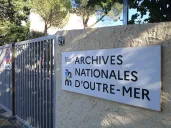
Most of the written evidence of our history is kept by the governments, armies, missions and museums that dealt with us, and almost none of it in the highlands. This is where it is: what each place holds, how to reach it, and which of its documents we have already copied into our own library. Much of it can be searched online, and many of the do...
Books about the Dega
A reading list for anyone who wants to understand the Dega properly, our own young people above all: the books and articles we trust, what each is good for, and where it can be read. Many are free online, and the older ones are in our own library.
Language resources
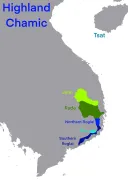
Our languages are the part of our inheritance most at risk and the easiest to lose without noticing. This page lists what exists to learn, teach and study them: the codes that libraries and software use to find them, how endangered each one is, the dictionaries and grammars that can be downloaded free today, the recordings of our elders’ speech...
Reports and documents
The human rights record of our people since 1975 is written mainly in reports: by Human Rights Watch and Amnesty International, by the United Nations, by governments, and by our own organizations. This page lists the ones we rely on, in order, with what each contains and where to find it. Most are free to read, and many are in our own library.
Films and recordings
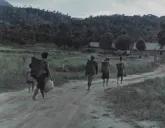
Where to see and hear the Dega: the American wartime films now in the public domain, later documentaries, videos made in our own languages, the published records of our music, and the field recordings held in Paris, many of them free to listen to online. We list what we have been able to find and check, and say where we could not.
FULRO, 1964–1992
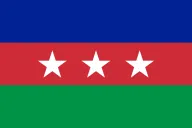
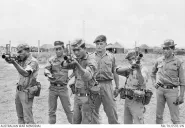
On the night of September 19, 1964, the strike forces of four American-trained camps in Darlac and Quang Duc rose against their Vietnamese officers and marched on Buon Ma Thuot, and a movement announced itself: the United Front for the Struggle of the Oppressed Races, FULRO. It was made by the men of BAJARAKA, released from Diem’s prisons seven...
Powered by WBAMS