- Home
- About
-
Resources
BeforeThe highlands before the wars: who came, what they wanted, and the country we were… 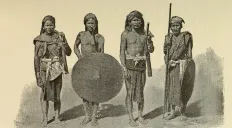 Before 1800: free in the highlandsFor longer than anyone has written history on this coast, the people of the…
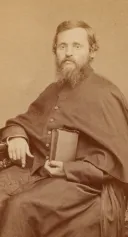 The Kon Tum mission, 1851In the last weeks of 1850 a French priest of twenty-five, guided in by a…
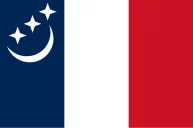 A country of our own, 1946Between 1946 and 1955 our country existed on paper.
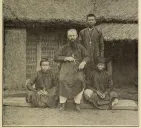 The French arrive, 1876–1929We let the French in.
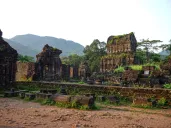 The first outsiders: Cham, Annam and the missionsThree powers came to the edge of the highlands before the French, and each left…
- View all14
ExileLeaving the highlands: Thailand, Mondulkiri, North Carolina, and the people still waiting. 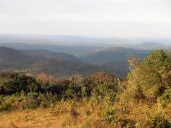 Mondulkiri, 1992: the end of the armed struggleIn September 1992 two journalists walked into the forest of Mondulkiri, in…
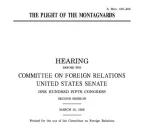 North CarolinaThe largest community of our people outside Vietnam is in North Carolina, in…
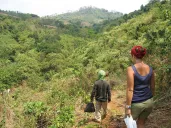 Asylum today: Cambodia, Thailand, and the reach of the stateFor twenty-five years the way out of the highlands has been west, on foot into…
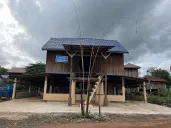 The Cambodian camps, 2001–2005The border between Vietnam and Cambodia runs through the middle of one people.
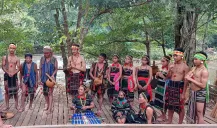 The wider diasporaNorth Carolina holds the largest community of our people outside Vietnam, but…
- View all12
Reading and researchBooks, reports, archives, films and language resources: where to read further, and where… 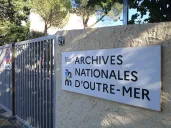 Archives and collectionsMost of the written evidence of our history is kept by the governments, armies…
 Reports and documentsThe human rights record of our people since 1975 is written mainly in reports…
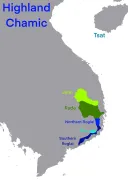 Language resourcesOur languages are the part of our inheritance most at risk and the easiest to…
 Theses and academic studiesA guide to the doctoral and master’s theses and the academic studies written…
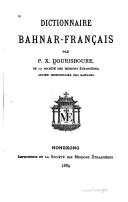 Books about the DegaA reading list for anyone who wants to understand the Dega properly, our own…
- View all7
Records and how to use usThe timeline, the names, the prisoners, and how to bring something to us safely.  What we do not knowEvery page in this library carries its sources and says where it is thin.
 Names and wordsReading about the Dega means reading four vocabularies at once, ours, the…
 The prisoner records: what they are and how to search themOur records hold 337 Dega by name, men and one woman imprisoned for their…
 Reporting an incident to DCHOHow to bring something to us, what we do with it, where it can go, and what we…
 Timeline: 875 to todayThe Dega story in one place, from the Cham kingdom on the coast to the…
- View all19
The case in lawWhat we ask for, what Vietnam has undertaken, and where the two do not meet.  What Vietnam signed, and what happens in the highlandsVietnam has ratified the major human rights treaties, voted for the Declaration…
 Indigenous rights at the United Nations, and why the word mattersInternational law offers a people in our position two bodies of rights.
 What the Dega ask forThree aims, rooted in FULRO’s first declarations of 1964 and 1965 and set down…
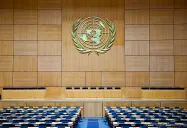 What the United Nations has saidOur people have been named in United Nations documents for more than thirty…
 Land law and customary landIn Vietnam nobody owns land.
- View all9
The Dega peopleWho we are, how many, which tribes, and the country we come from. 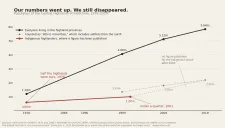 How many Dega there areThere are more of us than there have ever been, and we have never been so small…
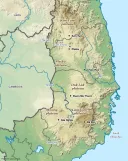 The country itselfOur country is a stair of high plateaus behind the Annamite mountains, between…
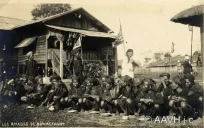 Who are the DegaWe are the indigenous peoples of the Central Highlands of Indochina: some…
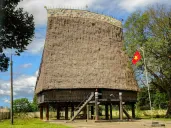 Dega cultureA village, the land around it held in common, kinship that decides obligation…
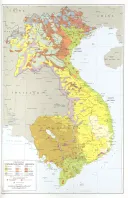 The tribes and their languagesAround thirty peoples, in two language families that are not related to one…
- View all32
Under the Socialist Republic1975 to today: the land, the church, the protests and the trials. 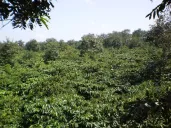 The land, and what was planted on itVietnam went from a marginal coffee producer to the second largest in the world…
 Cu Kuin, June 2023 — and the trial that followedAt about half past midnight on Sunday, June 11, 2023, two groups of armed men…
 How we diedHundreds of thousands of our people were killed in wars fought across our land…
 February 2001: the highlands stand upOn Friday, February 2, 2001, eight hundred people from four communes walked out…
 The church they closedMost of us are Christians, and the state has decided that one form of our…
- View all21
War and resistance1954 to 1975: partition, assimilation, BAJARAKA, FULRO, and the men who led them. 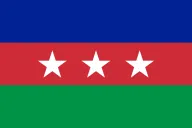 FULRO, 1964–1992On the night of September 19, 1964, the strike forces of four American-trained…
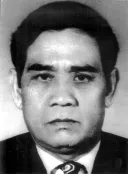 BAJARAKA, 1958BAJARAKA is four peoples in one word: BAhnar, JArai, RAde, KAho.
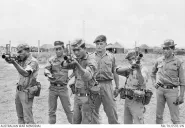 Mike Force, SOG and the special operations warFrom 1964 the Americans stopped asking our men to guard their own villages and…
 Dak Son, December 5, 1967On the night of December 5, 1967, Viet Cong troops with flamethrowers burned a…
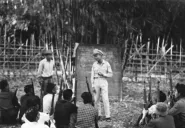 The American years, 1961–1975It began in one Rhade village six kilometers from Buon Ma Thuot, in October…
- View all18
- Pages
- Contributions
- Events
- News
- Contact